Preserving our roots, building our future
A cultural association from La Felipa caring for the stone, the crafts and the memory of the La Mancha countryside — and celebrating them with music as the sun goes down.
- Dry stone
- Esparto
- Music
- Food
- Farming
- Vernacular architecture
- Festivities
- Oral tradition
What we inherit is not stored away: it is passed on
A village's roots live in what it knows how to make by hand and in what it tells out loud. We work with all of that legacy, tangible and intangible, so it passes from one generation to the next.
Rural culture is kept alive by those who take part. Join the association and help us build, stone by stone, what comes next.
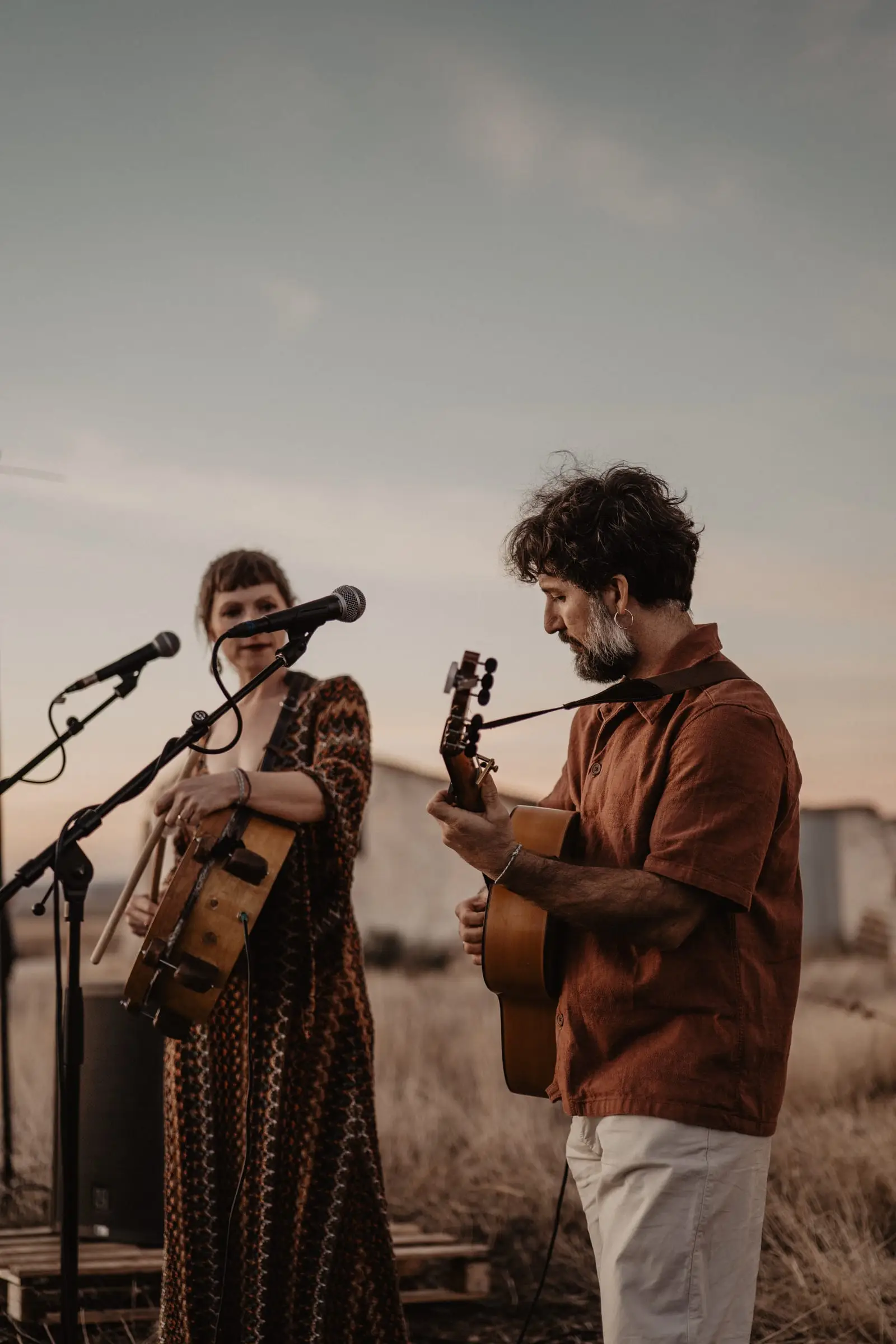
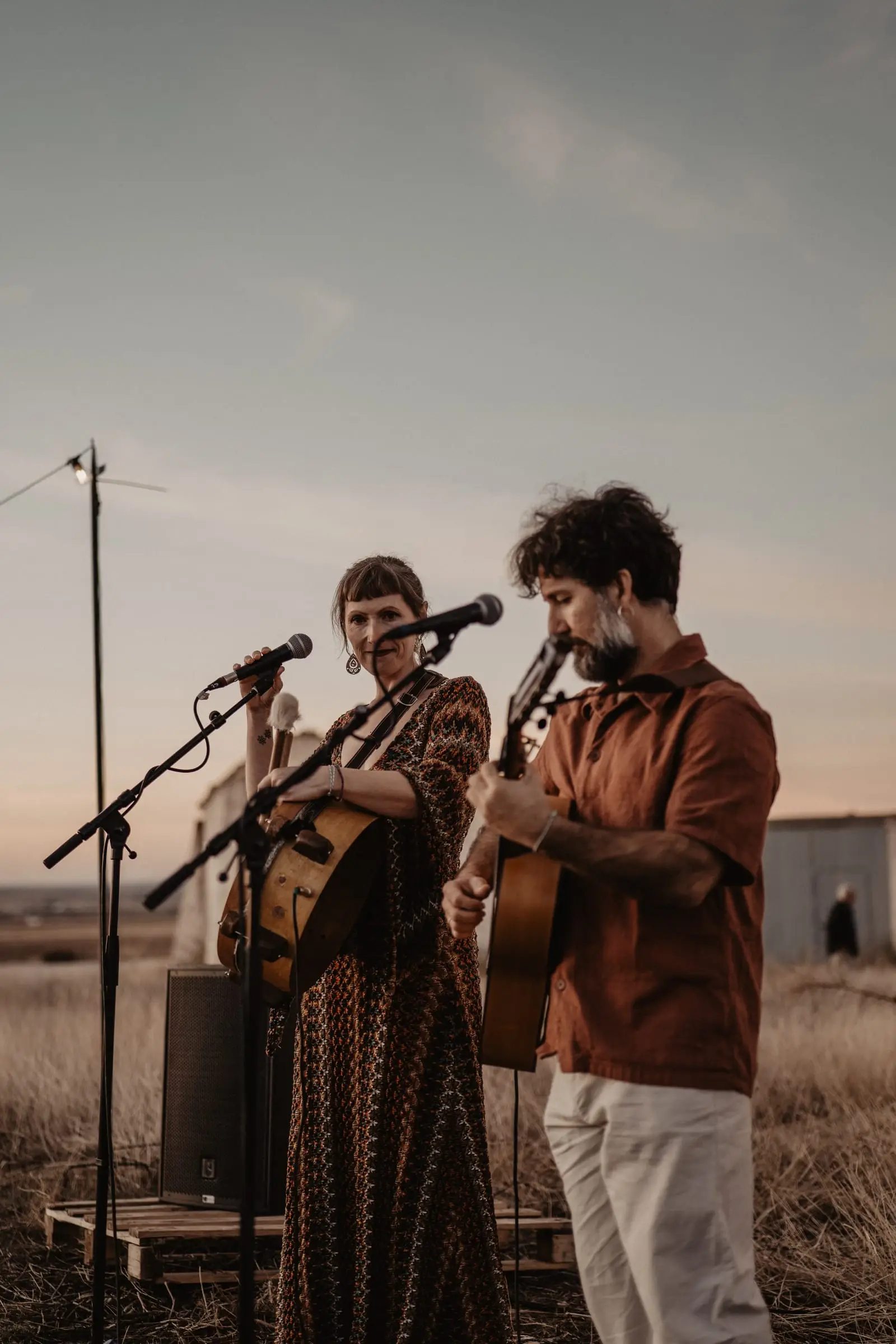
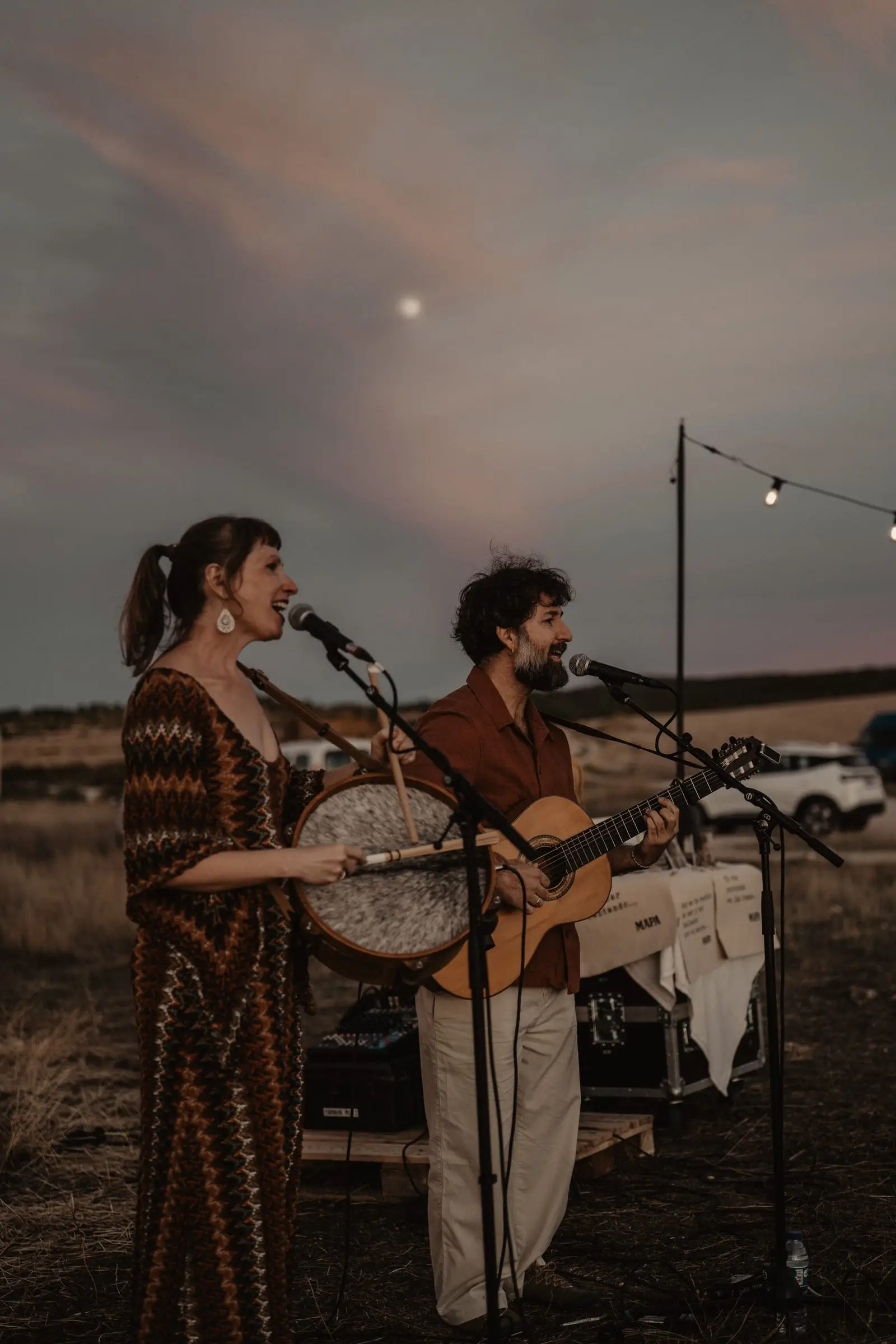
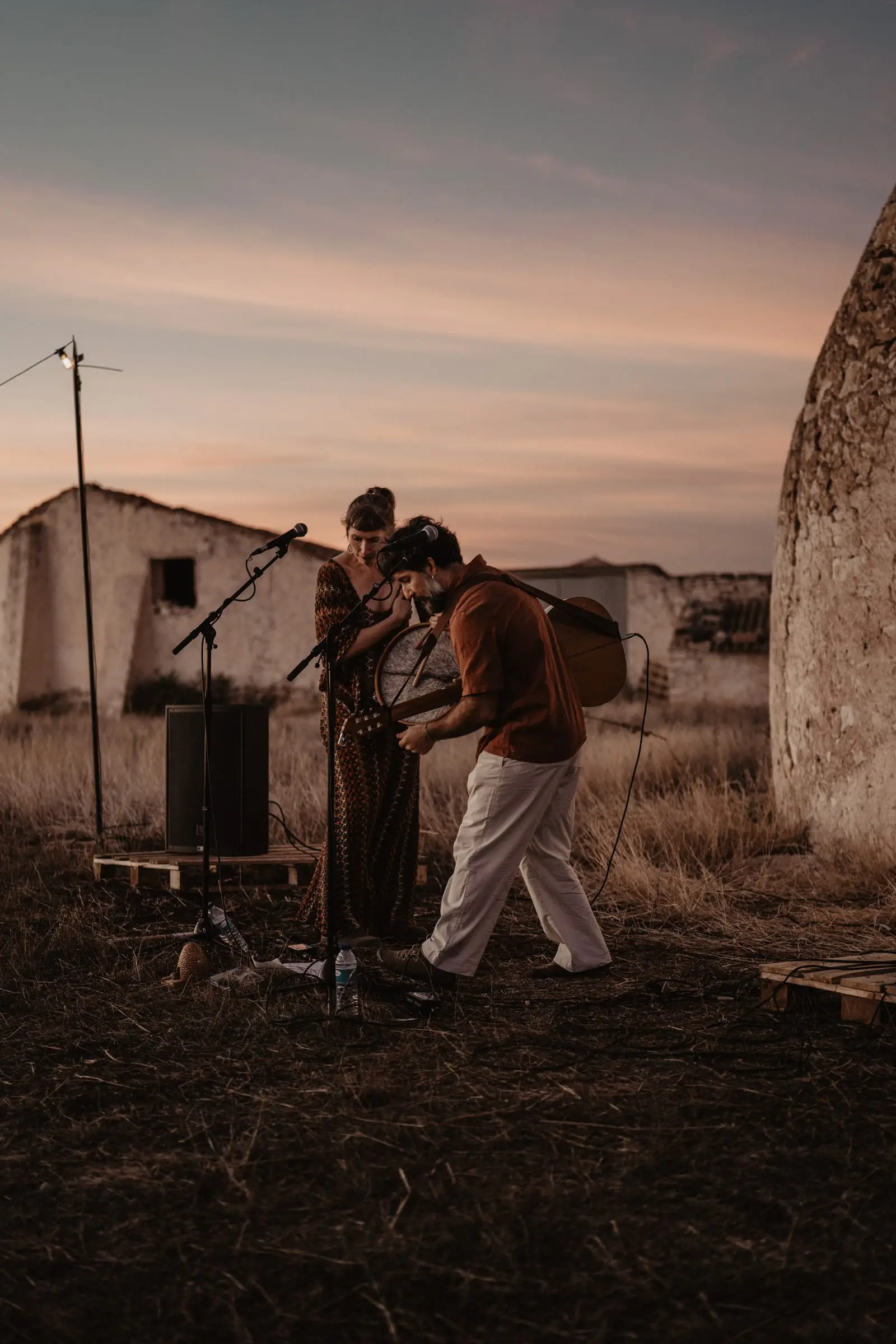
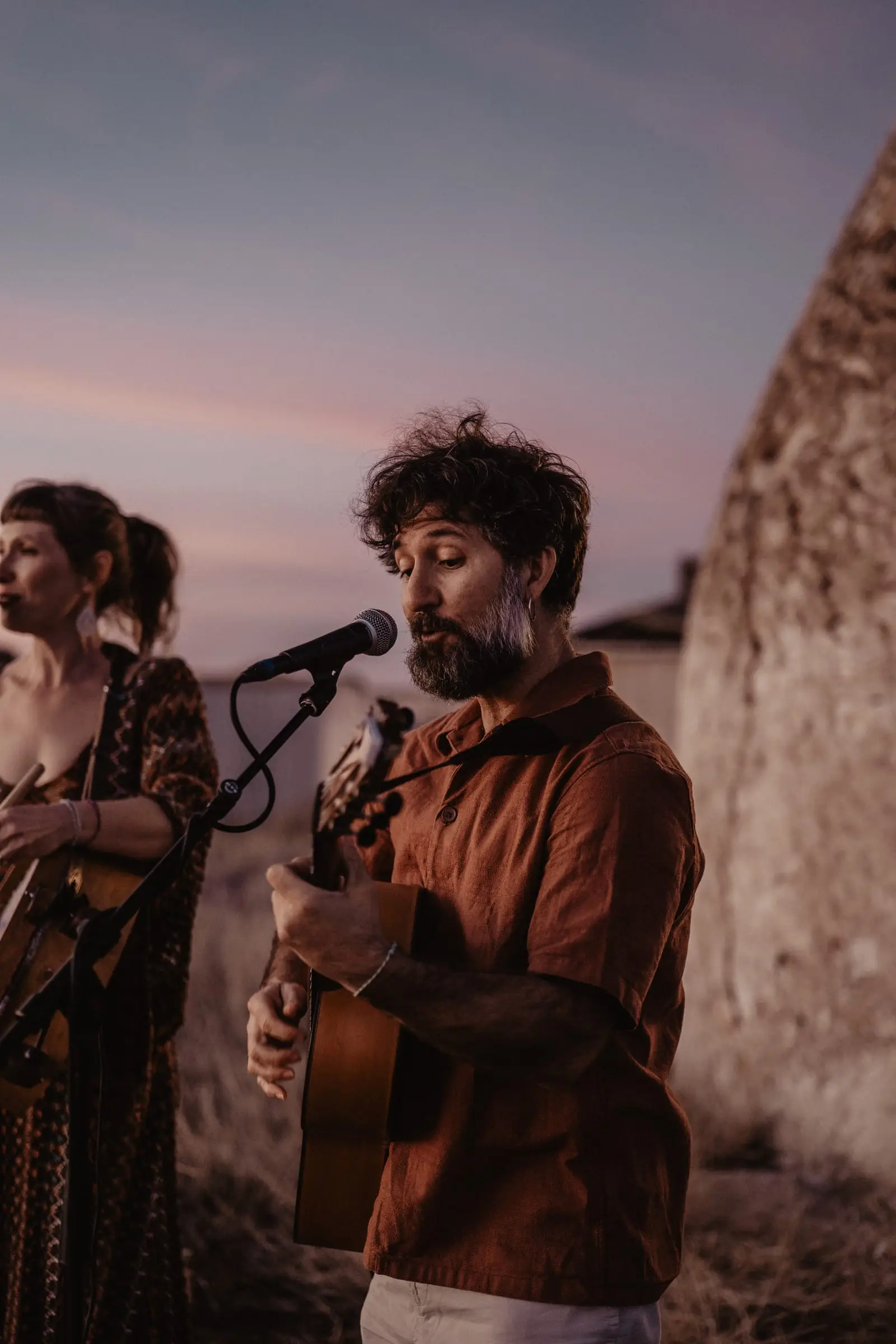
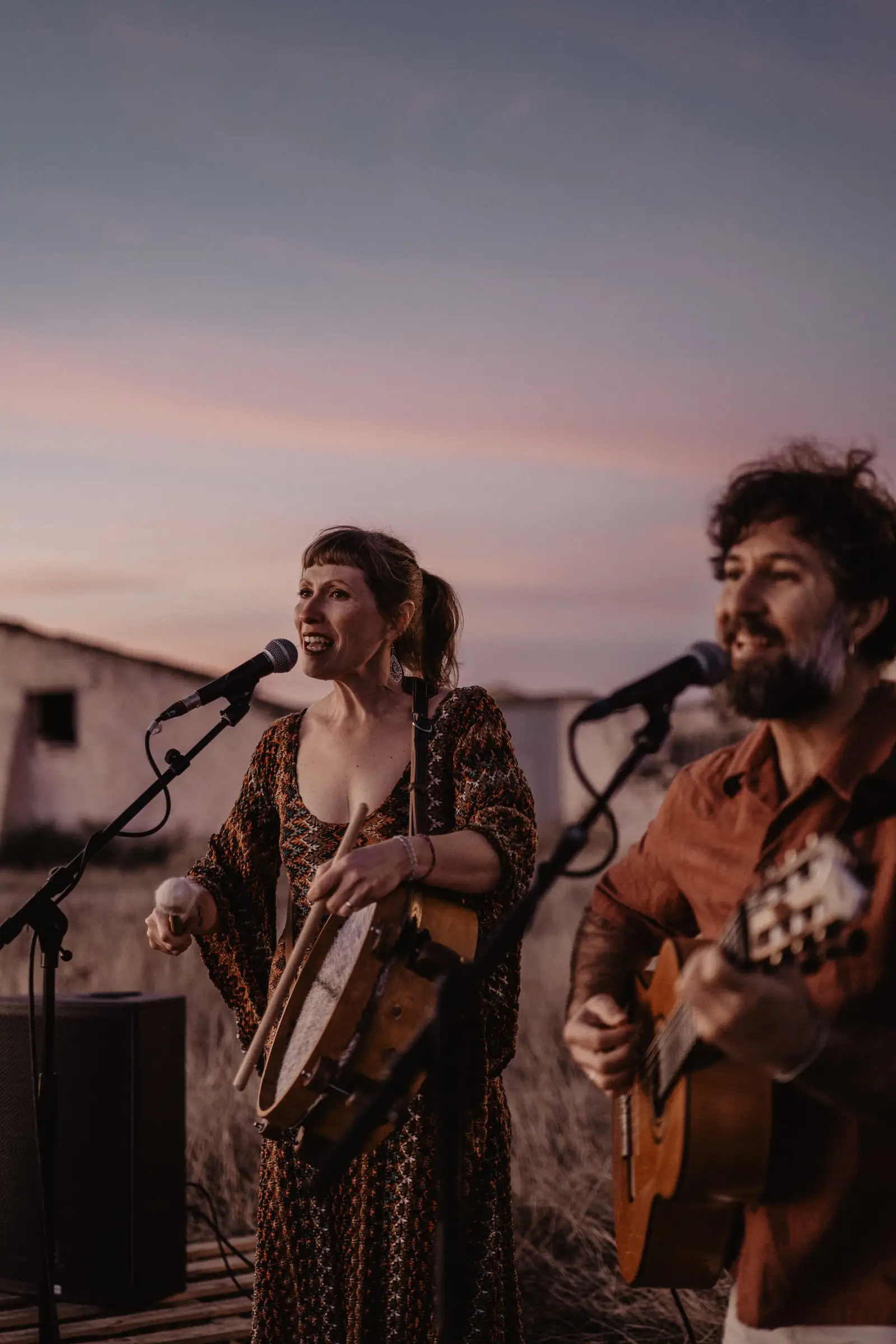
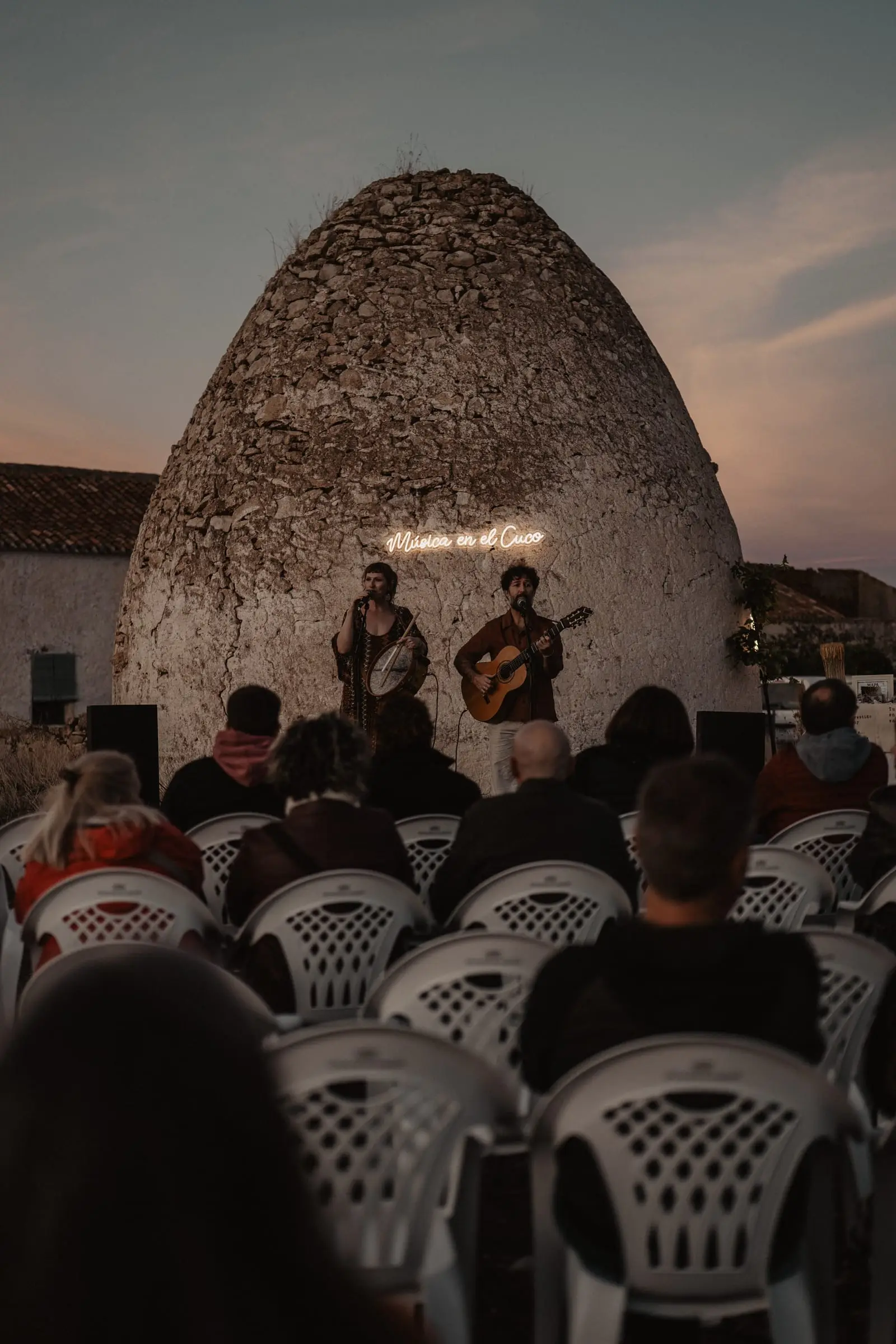
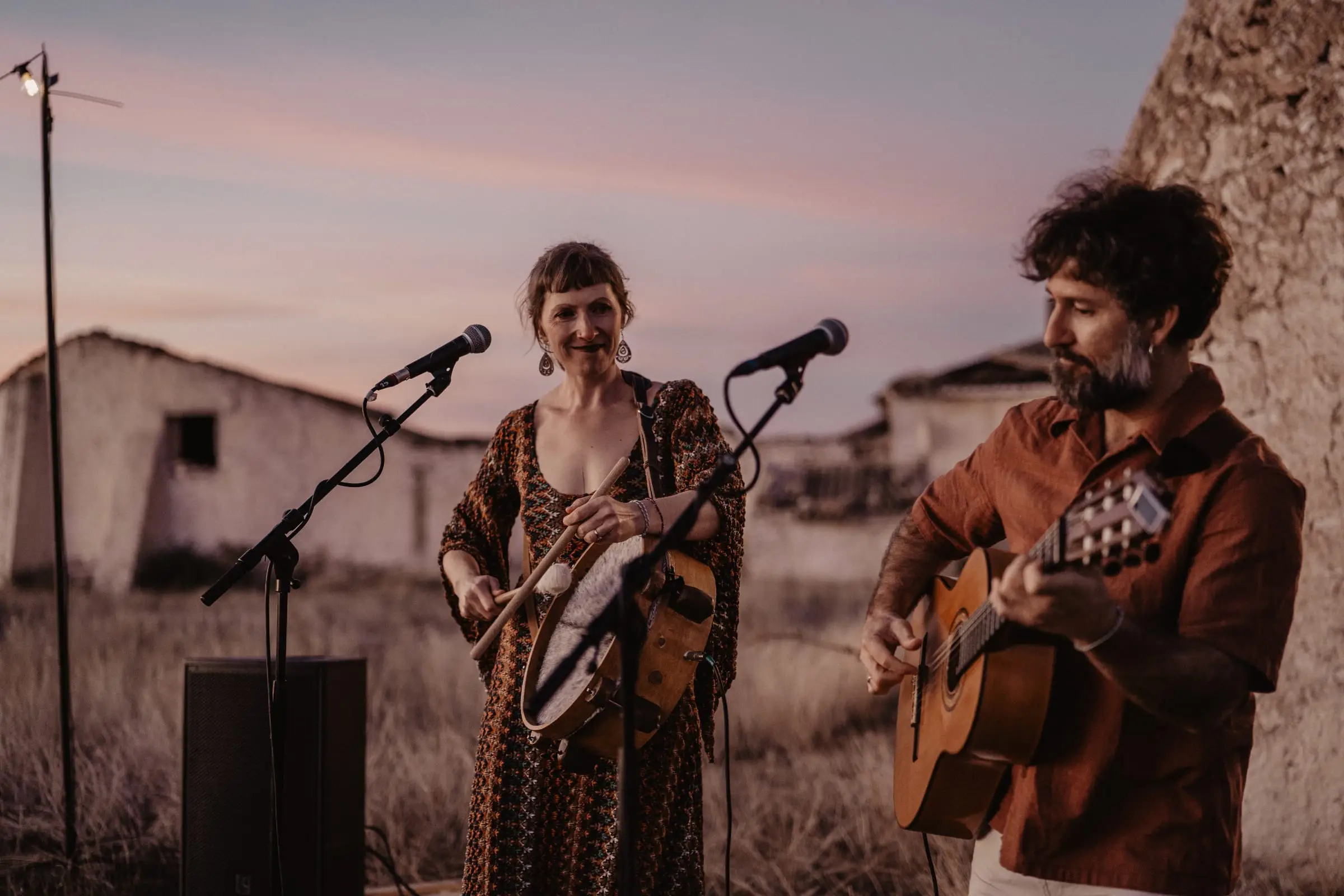
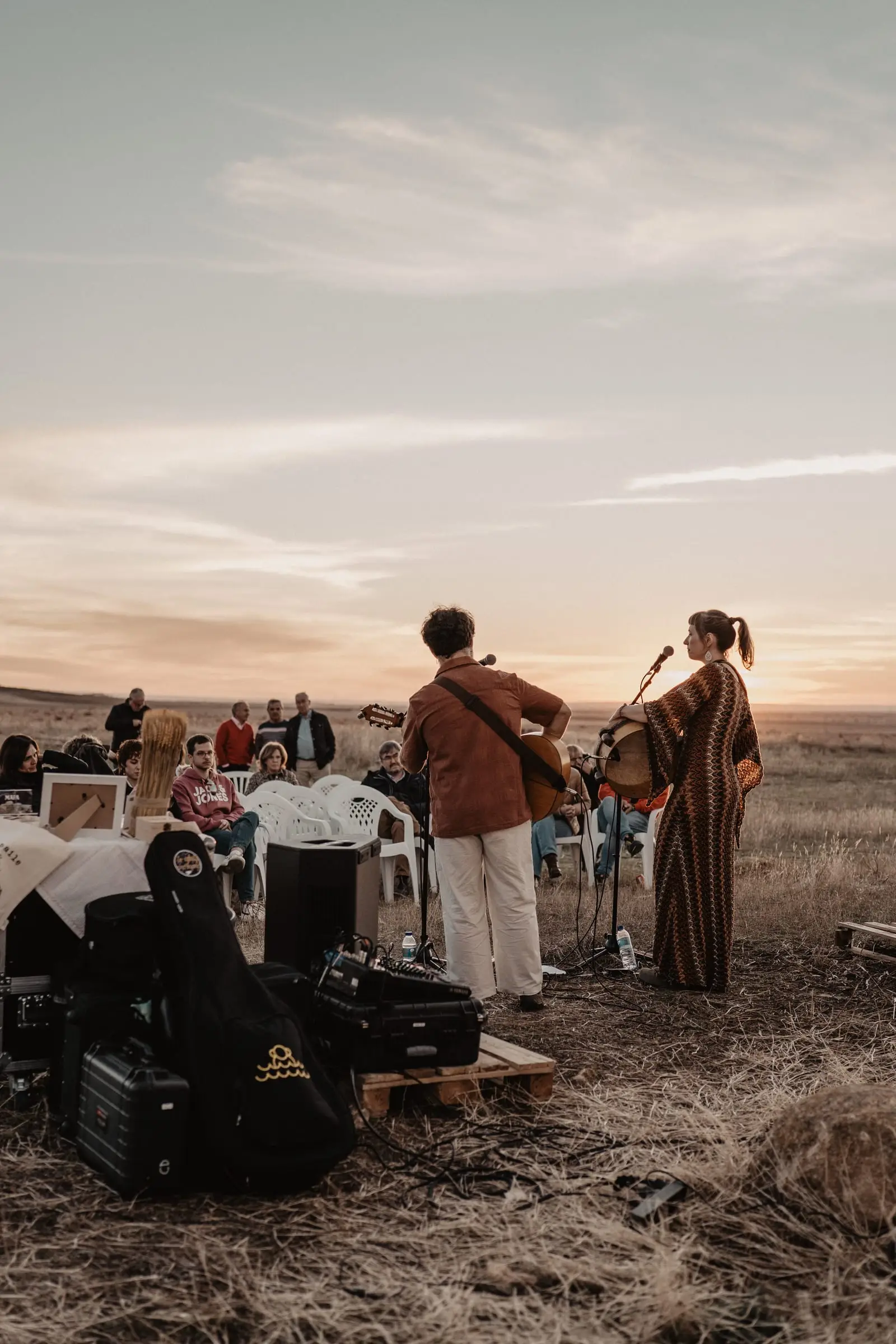
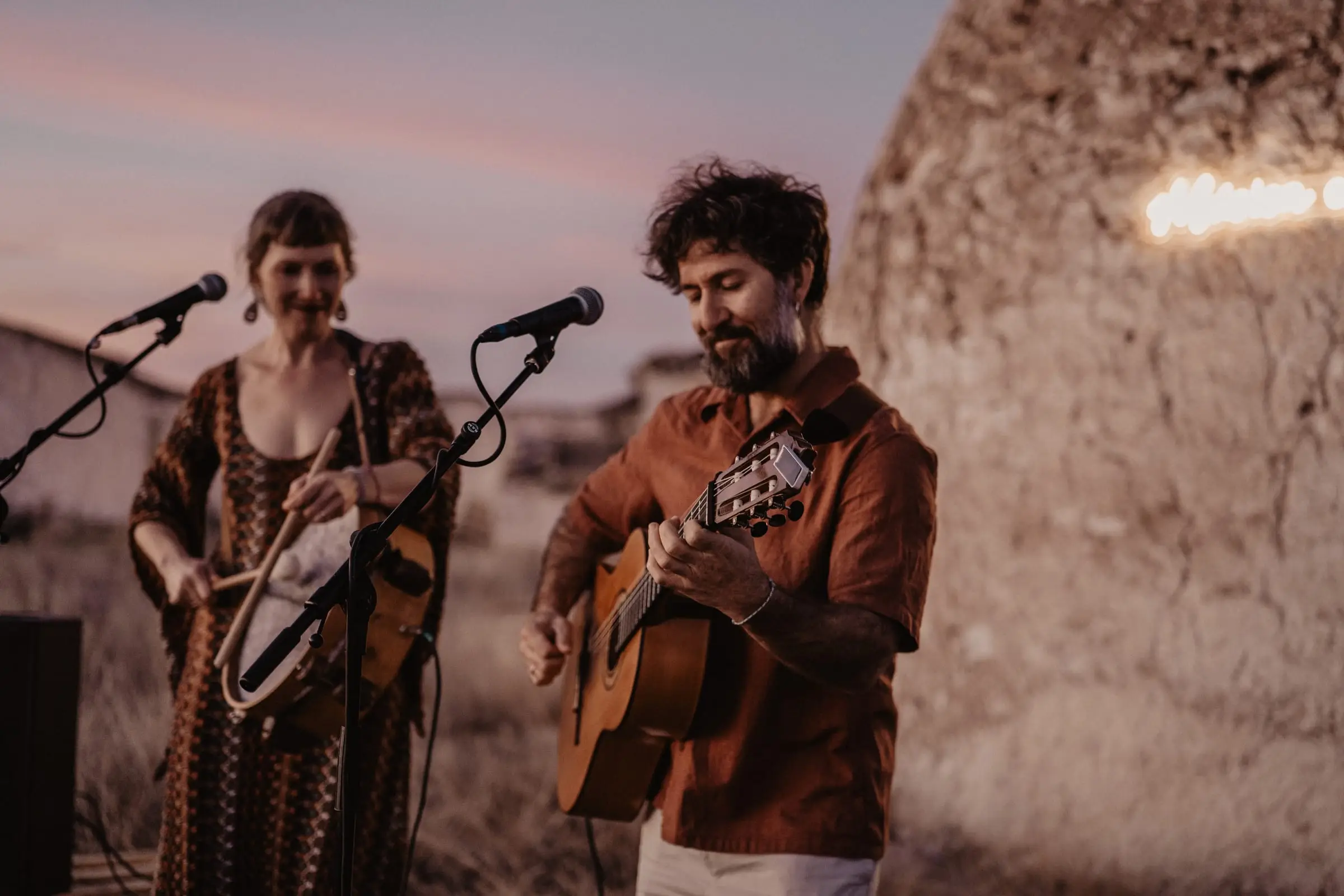
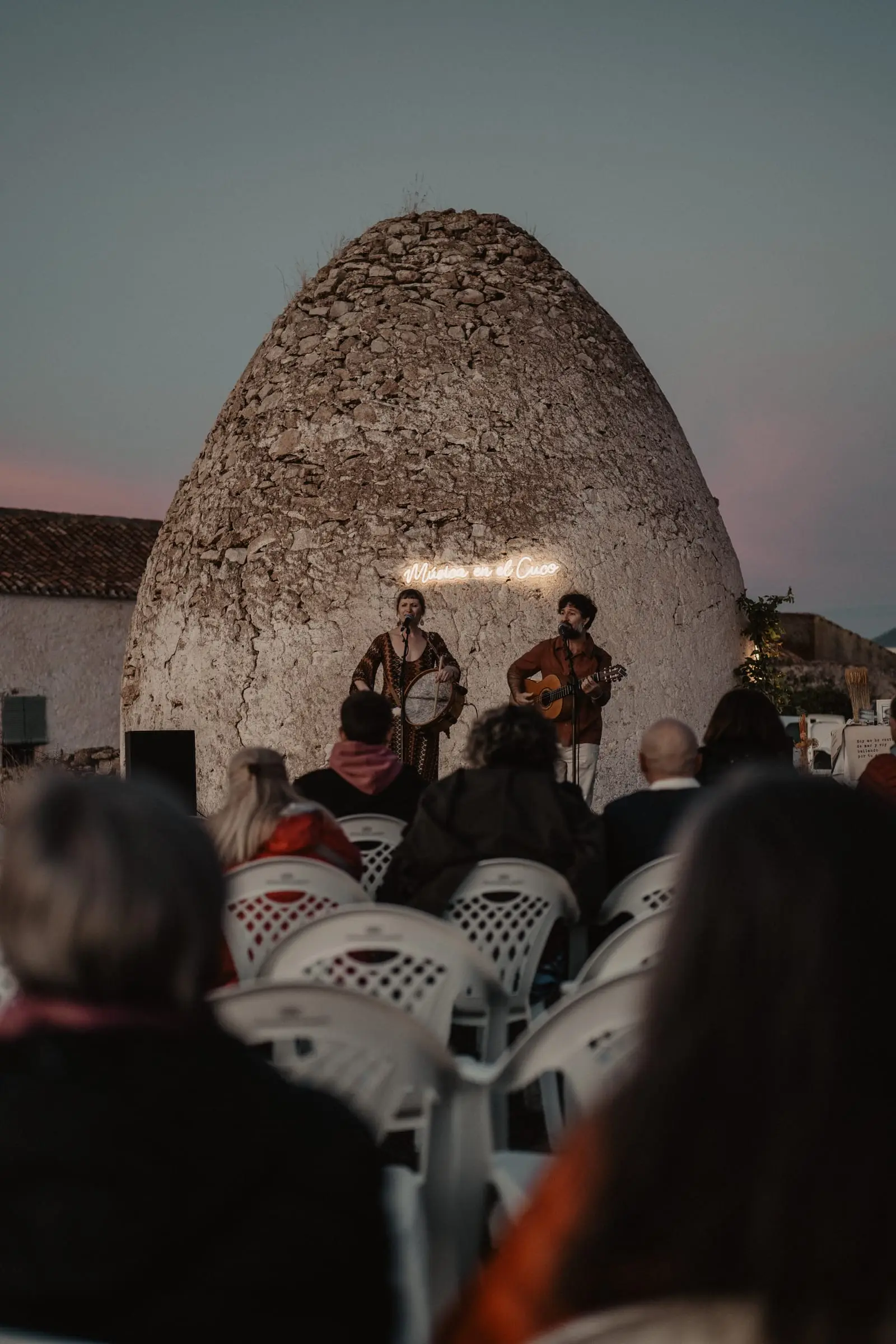
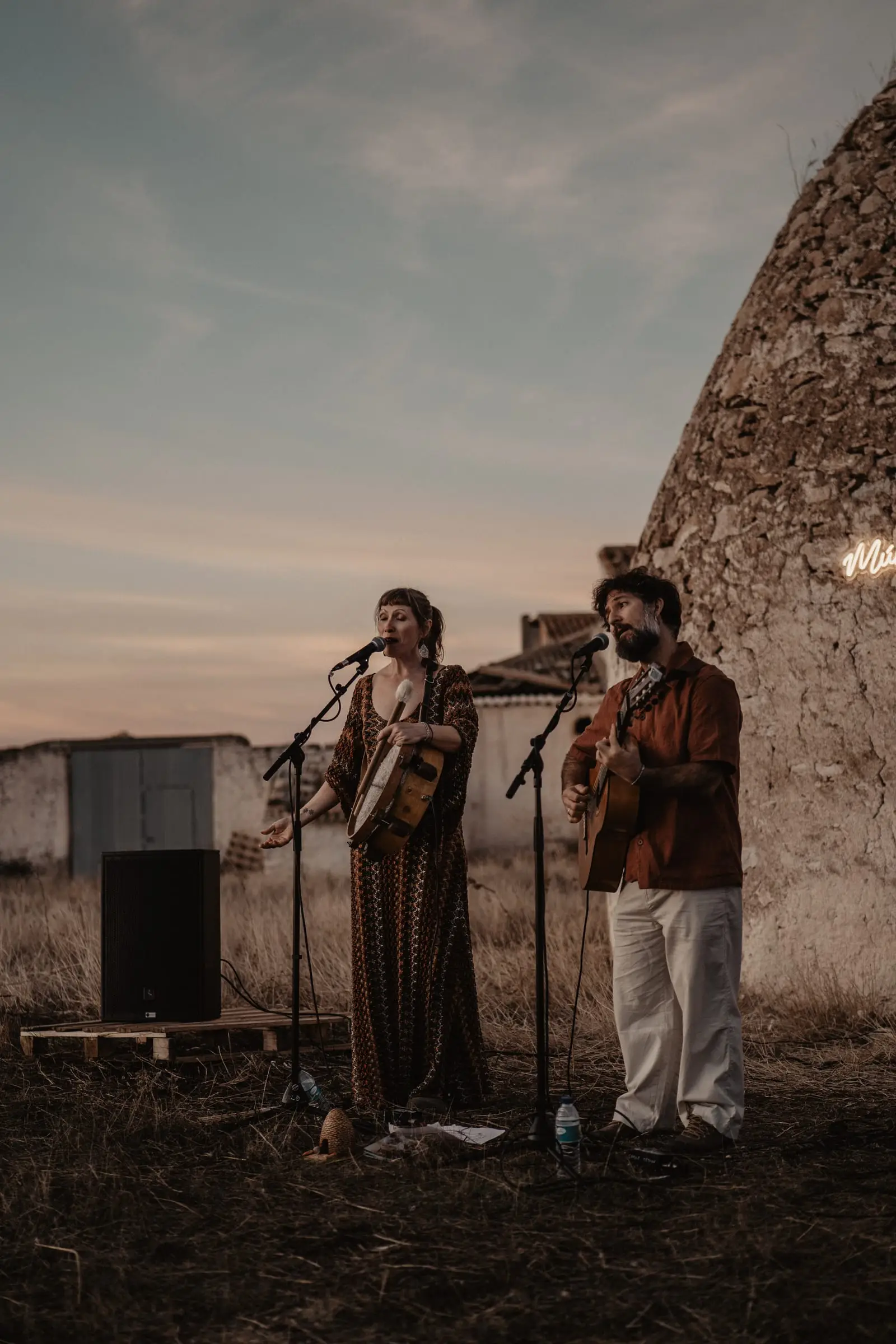
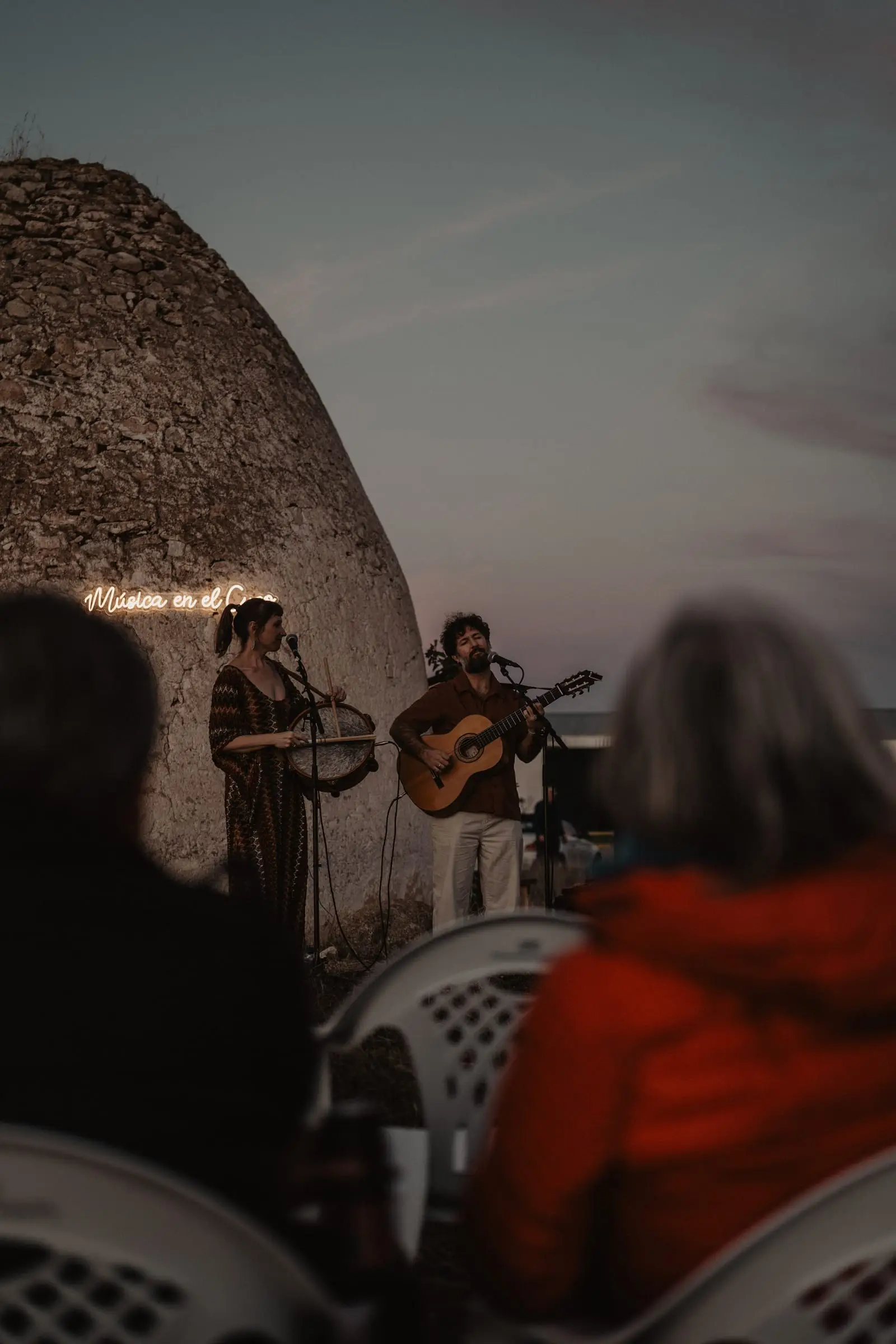
Music at the Cuco
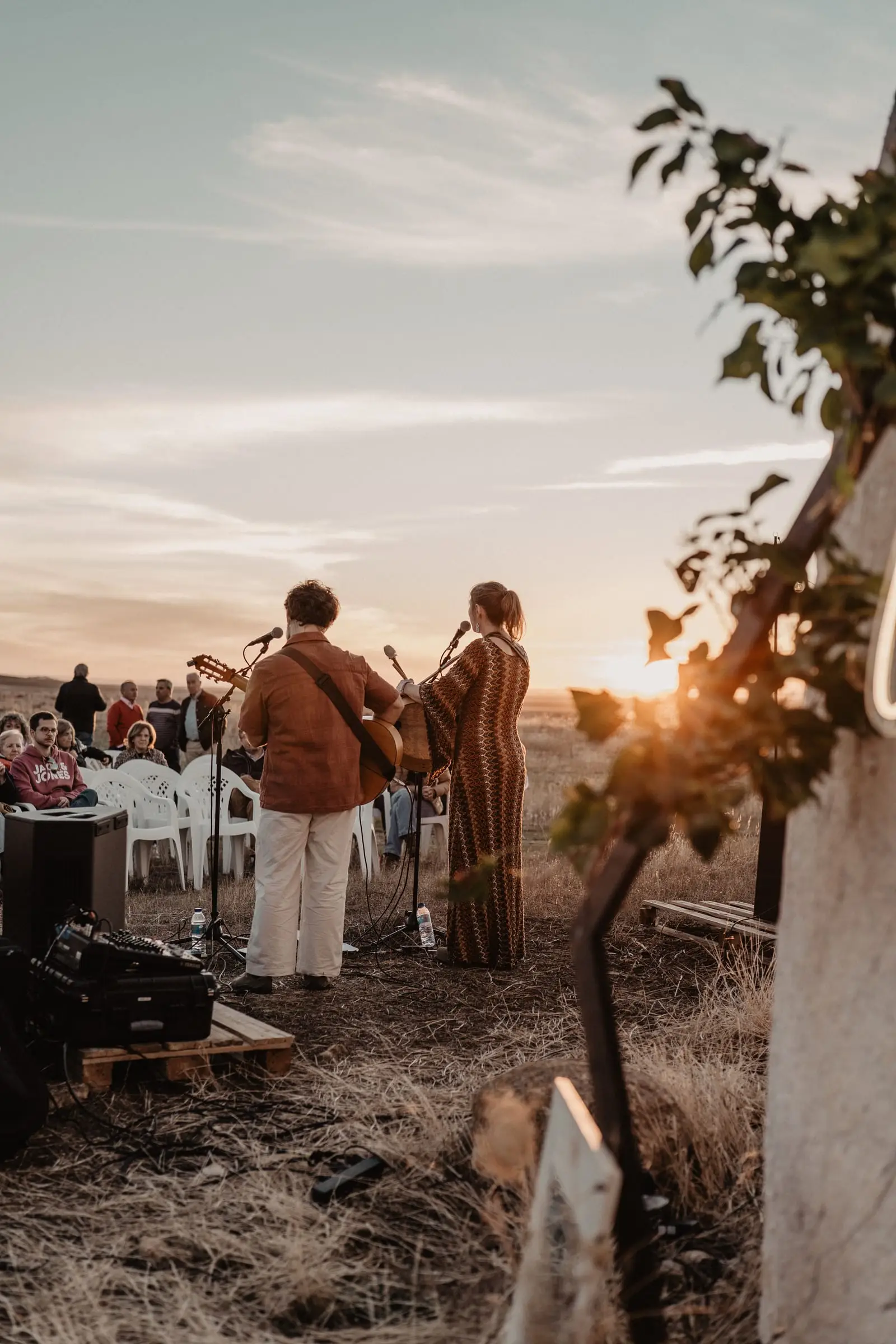
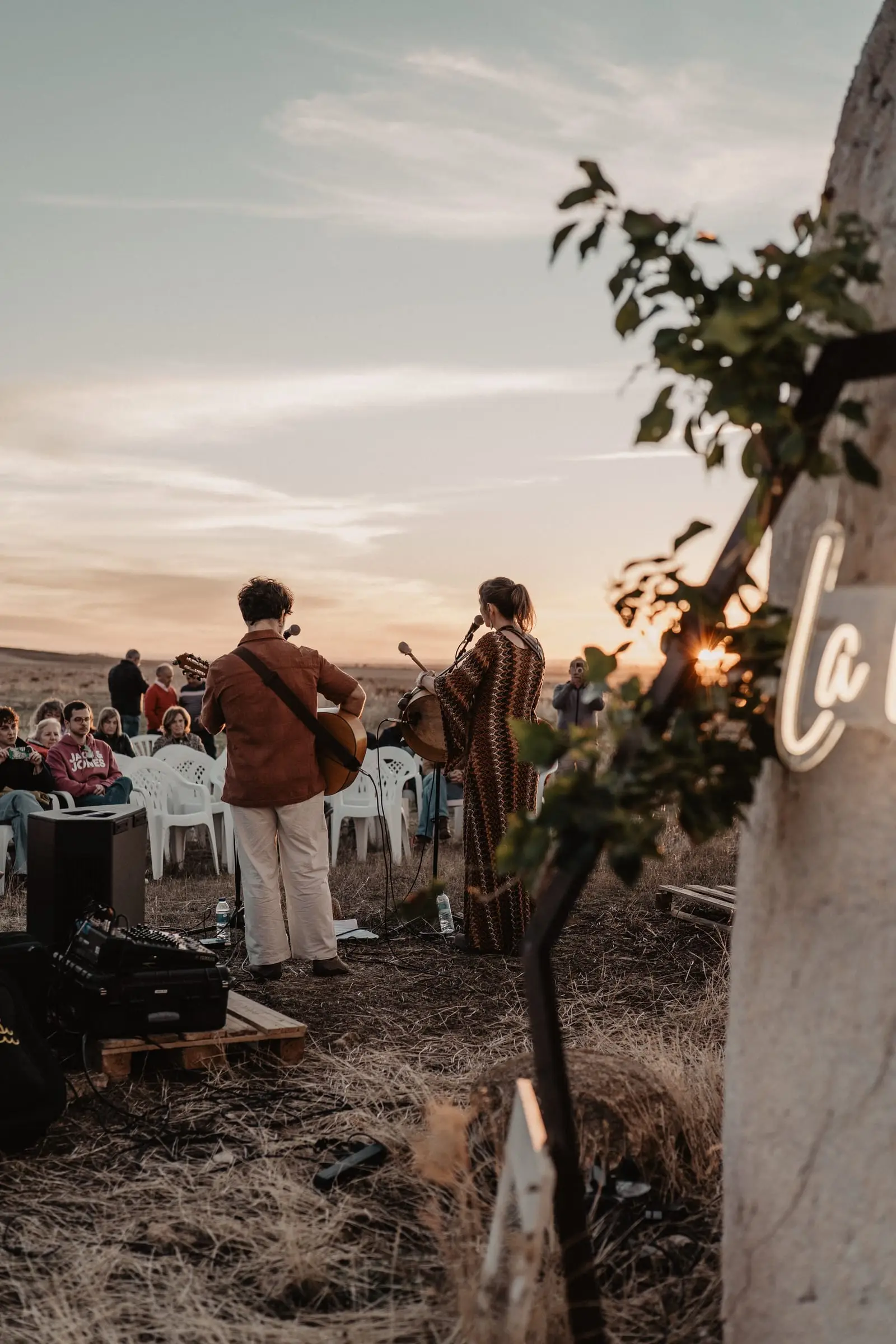
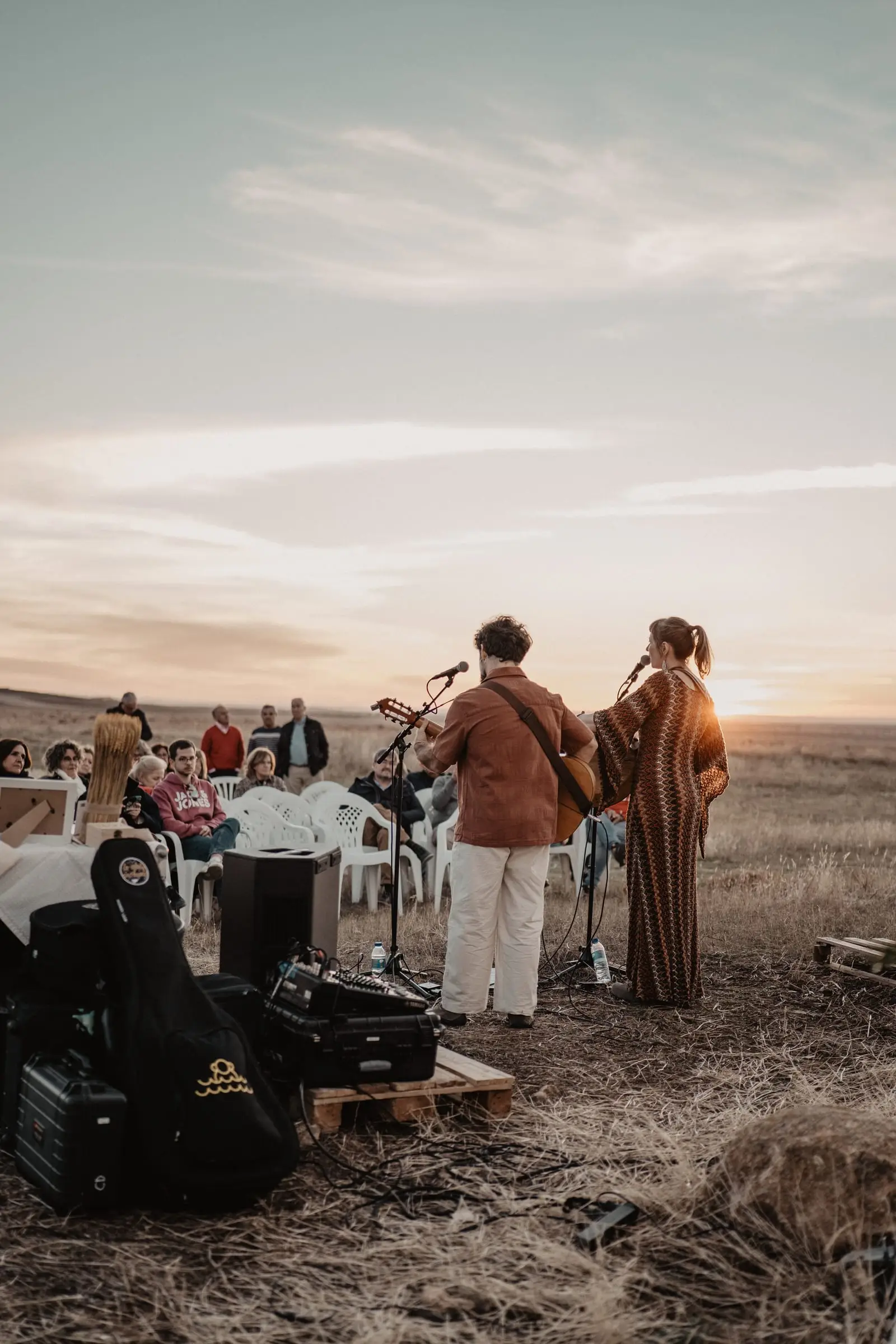
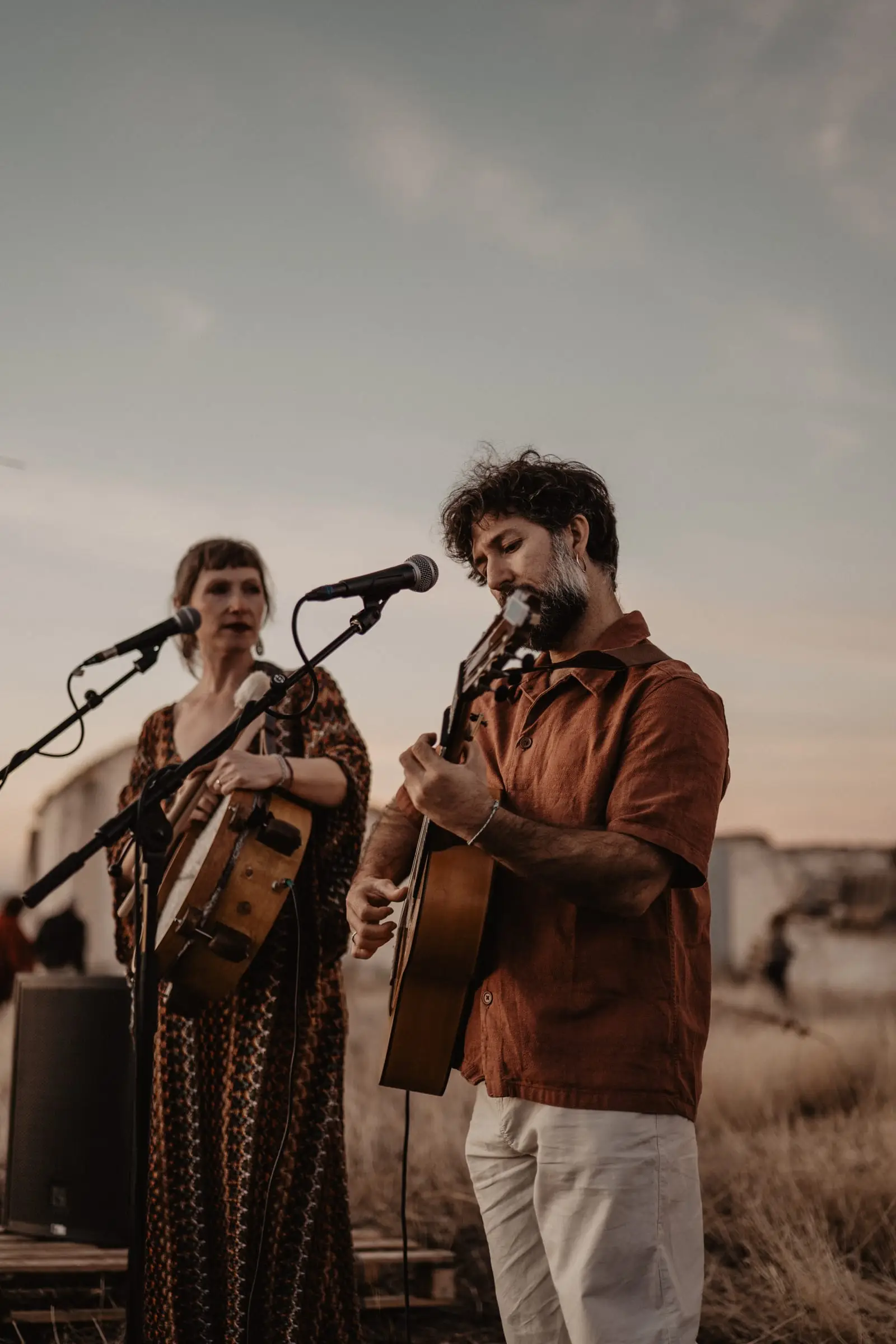
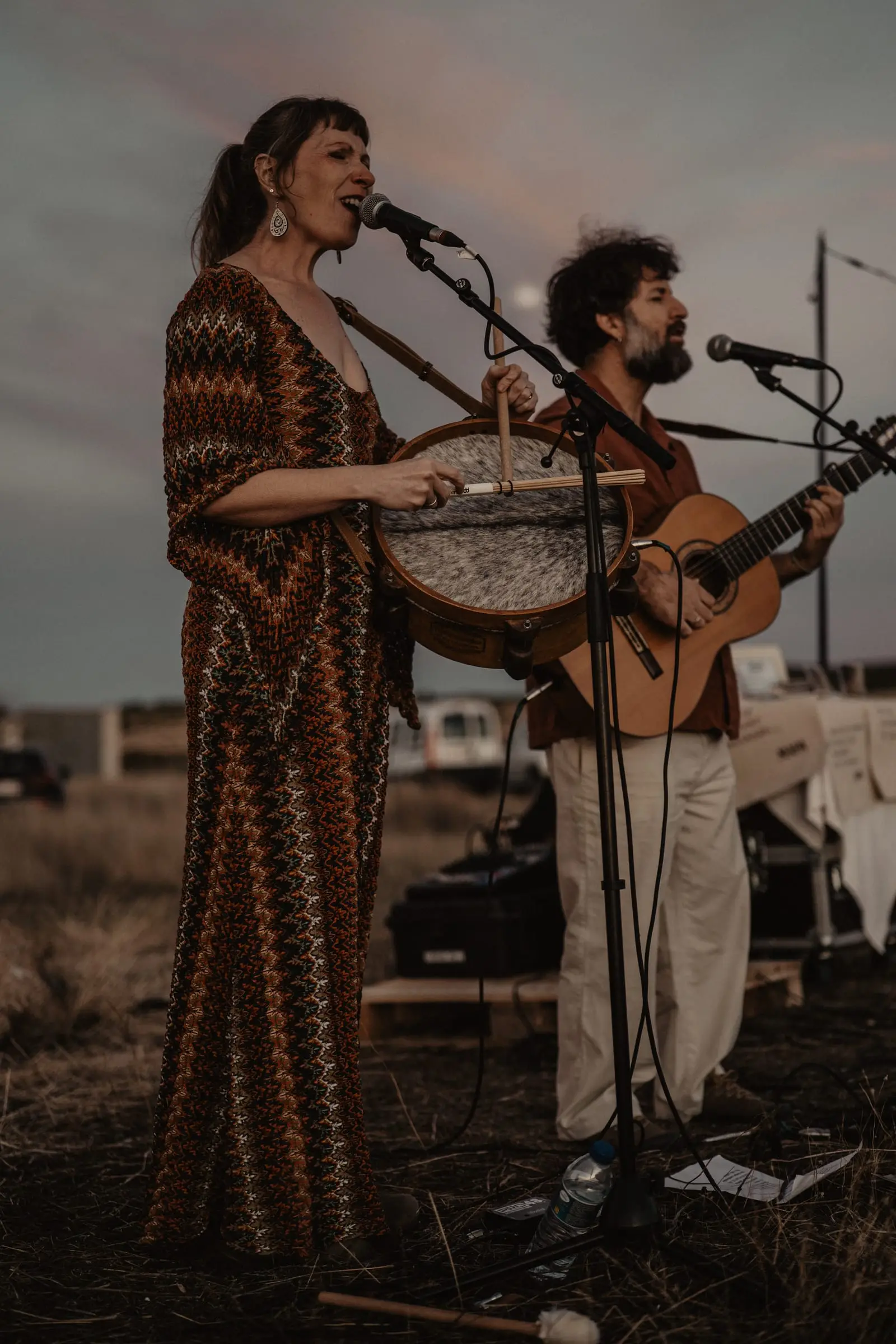
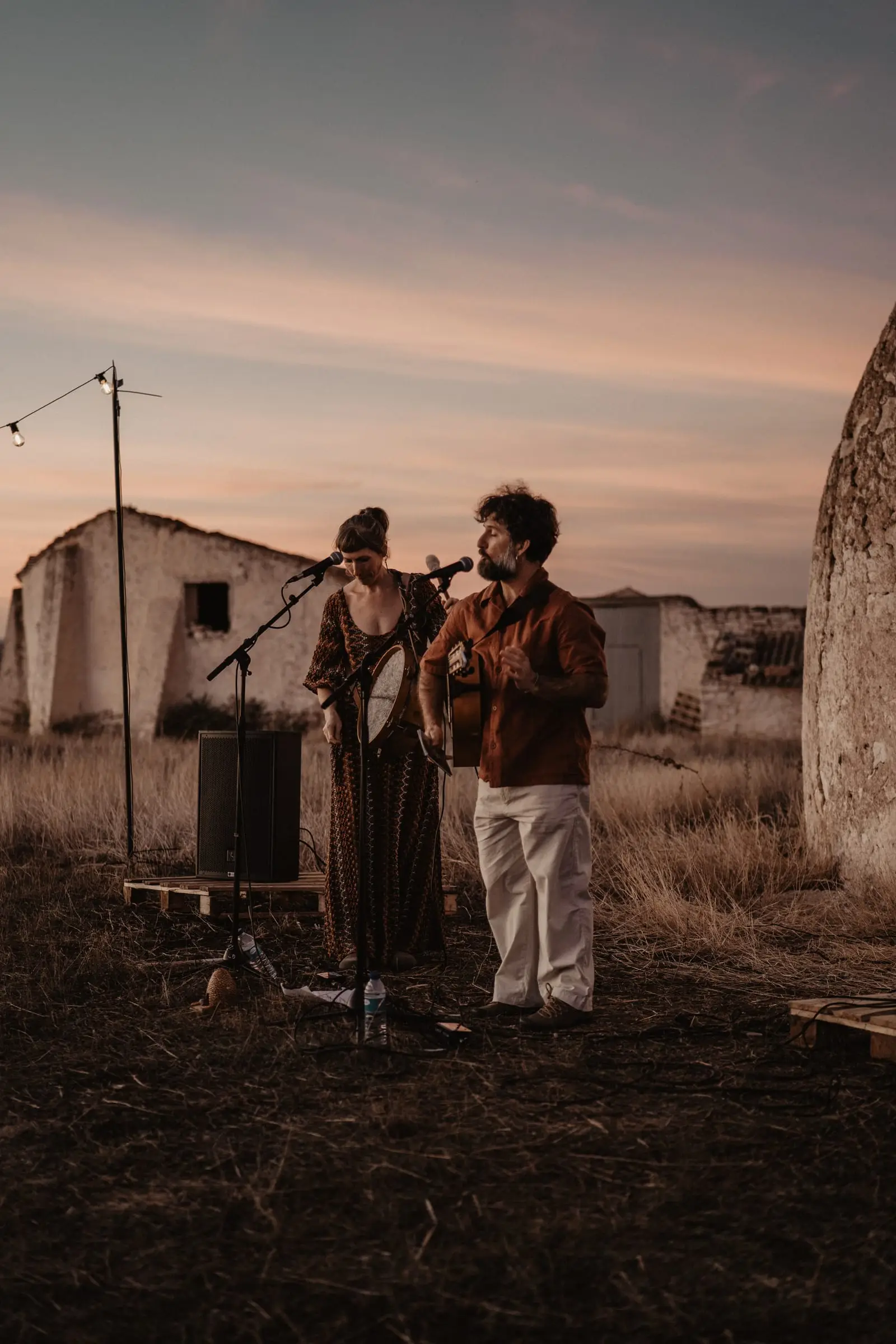
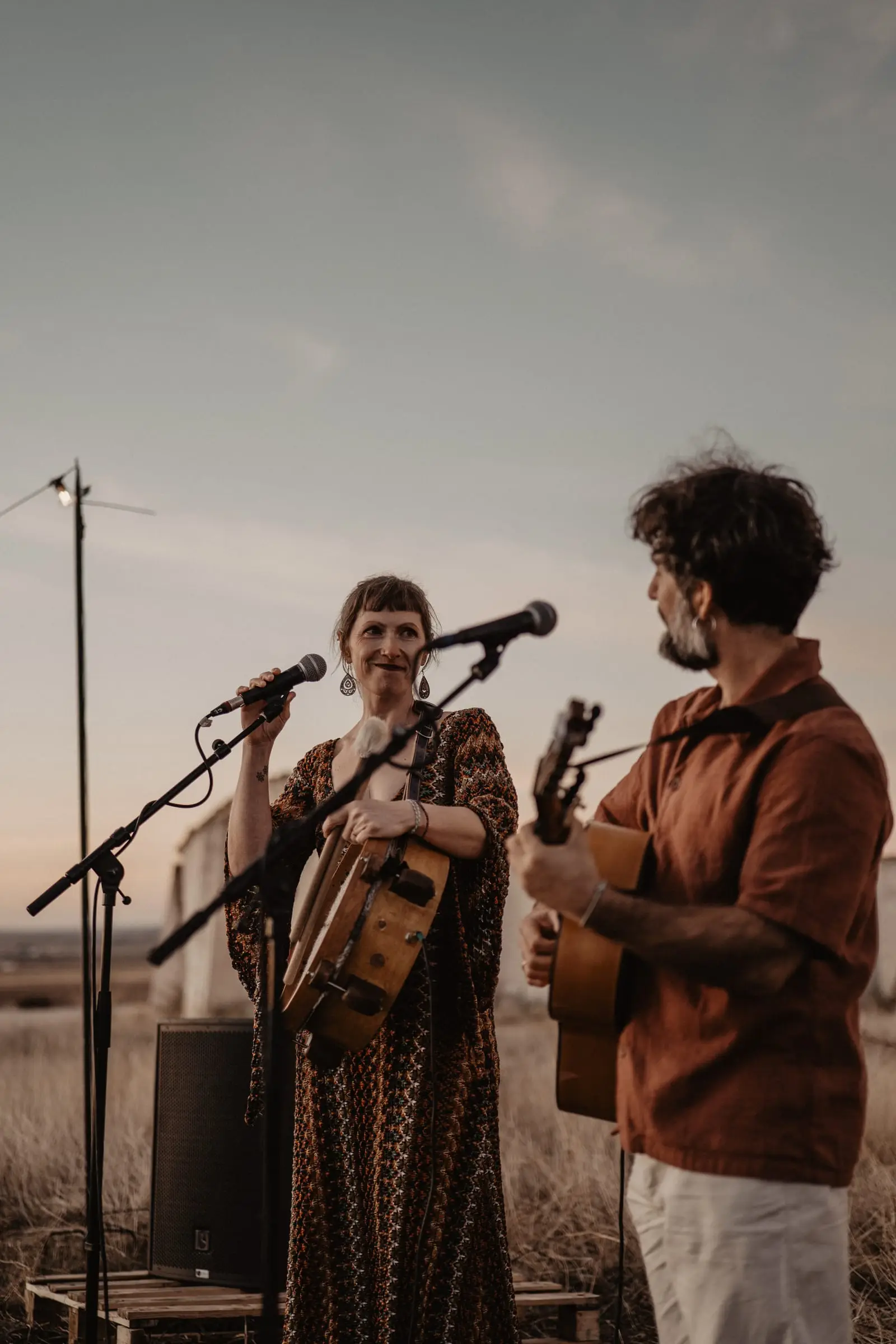
Acoustic sunset concerts beside the cucos, the dry-stone huts that shepherds and farmers built without mortar. Contemporary music, landscape and heritage on a single stage.
Where it began
2025
Two pilot concerts beside a cuco proved that the countryside is a stage too.
Towns
5
Chinchilla de Montearagón, Hoya-Gonzalo, Pozo-Lorente, Casas de Juan Núñez and La Felipa join the 2026 series.
Admission
€0
Every concert is free: quality culture belongs in rural areas too.
What we do
We run cultural, educational and outreach activities that preserve our heritage and bring it closer to society, especially to young people.
-
Rural heritage
We identify, preserve, restore and share traditional buildings and the elements of our cultural landscape.
-
Traditions and know-how
We recover and pass on crafts, artisan techniques, customs and traditional knowledge.
-
Culture and participation
We organise concerts, exhibitions, workshops, talks, gatherings, walks and guided visits.
-
Research and outreach
We support projects that document, study and share rural heritage and popular traditions.
-
Sustainability and nature
We stand for a respectful, balanced relationship between culture, people and the natural environment.
-
Collaboration and community
We work with associations, institutions, schools and people committed to rural life.
Coming up
Concerts, workshops and work days at the cuco. Everything that is on its way.
We are preparing the next edition. Follow us to be the first to know.
-
Ongoing · obra
Rebuilding the cuco
-
Ongoing · taller
Esparto workshop
-
October 2026 · Past concerts
24
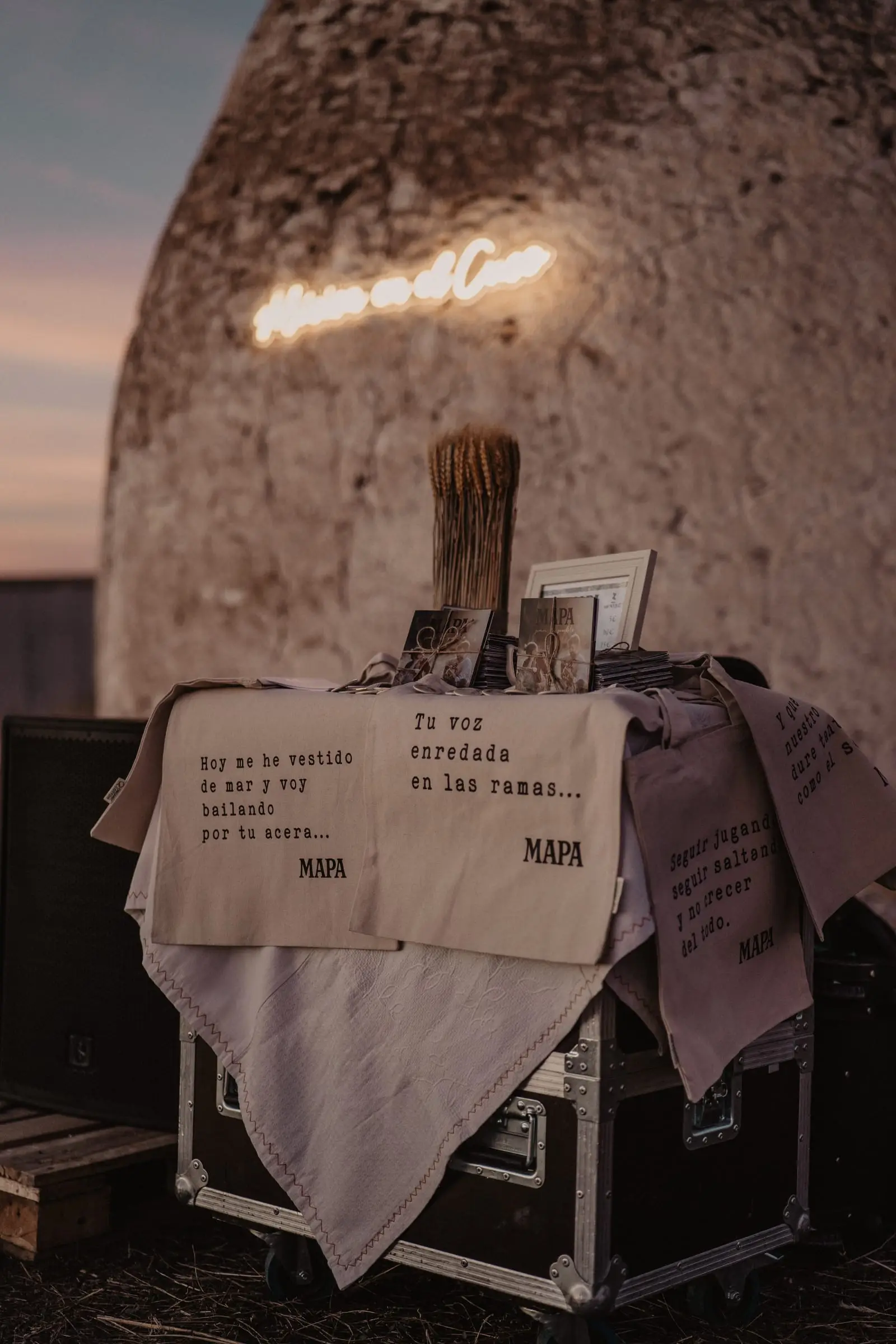
MAPA at the cuco of La Felipa
-
August 2026 · Past concerts
Meraki at the cuco of La Felipa
-
September 2025 · Past concerts
Pilot concert · September 2025
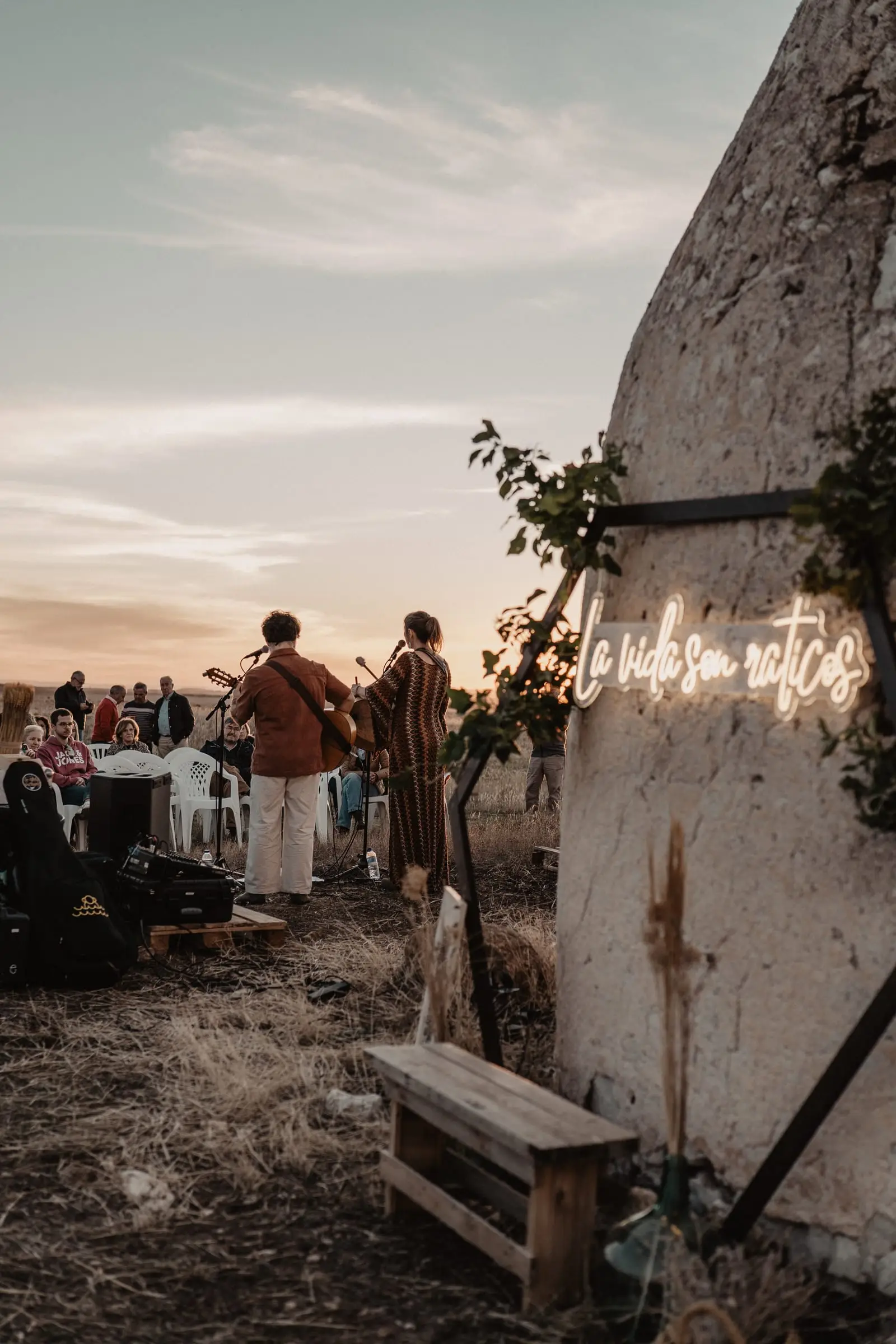
Dry stone
Stone by stone
We are rebuilding a cuco. It is slow work, like an excavation: every summer we raise it a little more, using the traditional technique and not a drop of mortar.
-
Gathering stone
Cucos were built with the stones cleared from ploughed fields.
-
The corbelled dome
Each course steps slightly inward until the roof closes, with no formwork or mortar.
-
A little every summer
Open work days where neighbours and volunteers learn by doing.
-
A recognised craft
The art of dry-stone construction is inscribed on UNESCO's Intangible Cultural Heritage list.
-
Shepherds' shelter
Cucos gave shade and shelter to shepherds and farmers out on the plain.
-
An inventory to make
We are documenting the region's cucos so their memory does not depend on chance.
Esparto
Esparto hands
Esparto grass was rope, sandal sole, basket and plait. We run workshops so its weaving is not lost and young hands can learn from those who know.
-
Soak and pound
The fibre is prepared first: boiled, dried and pounded until supple.
-
The pleita
The base plait for baskets, panniers and cheese moulds.
-
Open workshop
Sessions for all ages, from the first plait to the first piece.
-
An ancient fibre
Esparto has been worked in south-eastern Iberia since prehistoric times.
-
Craft and memory
We record and listen to those who still keep the craft alive.
-
A landscape material
A wild plant now attracting renewed interest as a sustainable fibre.
Territory
La Felipa and its region
La Felipa is a village belonging to Chinchilla de Montearagón, about twelve kilometres from Albacete. From here we work with the neighbouring towns that share landscape, cucos and memory.
-
La Felipa
A village of plains, holm oaks and drove roads, recorded since the 16th century.
-
Chinchilla de Montearagón
Historic town with a castle, main square and cave houses; seat of the municipality.
-
Towns of the series
Hoya-Gonzalo, Pozo-Lorente and Casas de Juan Núñez share a dry-stone landscape.
-
Old roads
Transhumance and wells shaped these settlements.
-
Festivities
San Isidro Labrador and La Purísima mark La Felipa's calendar.
-
A landscape worth caring for
Culture and nature, on the same side.
How we understand culture
«Culture is a way to connect generations, strengthen the identity of our villages and keep their collective memory alive.»
We believe in culture that is participatory, sustainable and rooted in place; culture that respects the past, is enjoyed in the present and is handed on to the future.
Frequently asked questions
What is Música en el Cuco?
A series of acoustic sunset concerts organised by the Tierra y Tradición cultural association beside the cucos, traditional dry-stone huts in the province of Albacete, Spain.
What is a cuco?
A dry-stone shelter with a round or square plan and a corbelled dome, built without mortar by shepherds and farmers of La Mancha using stones cleared from the fields.
Where is La Felipa?
A village belonging to Chinchilla de Montearagón (Albacete, Spain), about 12 km east of the city of Albacete, on the CM-332 road.
How can I take part?
By becoming a member, joining the work days at the cuco or the workshops. Write to us from the contact page.